

The Pacific is a region with a shared history of conflict, a strong commitment to peace, and communities that continue to live with the consequences of past wars. For many island communities, the impact of explosive weapons did not end when the wars were over. Unexploded ordnance (UXO) continues to threaten lives, restrict access to land, affect livelihoods and create long-term challenges for families and communities.
As a UXO survivor from Solomon Islands, I believe the Convention on Cluster Munitions (CCM) is an important part of the wider humanitarian conversation in our region. It is not only about prohibiting a particular category of weapon. It is also about preventing future harm, protecting civilians, addressing the consequences of contamination and recognising the rights and needs of people affected by these weapons.
I want to contribute to this conversation from my own lived experience, my work as a survivor advocate and my role as Founder and Chairperson of Bomb Free Solomon Islands (BFSI).
Why the CCM matters to the Pacific
The CCM prohibits the use, development, production, acquisition, stockpiling, retention and transfer of cluster munitions. It also establishes obligations relating to stockpile destruction, clearance of cluster munition remnants, risk education, victim assistance and international cooperation.
The Pacific has made important progress in joining this humanitarian treaty. Countries in our region that are States Parties include Australia, the Cook Islands, Fiji, Nauru, New Zealand, Niue, Palau, Samoa and Vanuatu. Their participation demonstrates regional commitment to the protection of civilians and the international effort to prevent the humanitarian consequences of cluster munitions.
However, there is still more work to do to encourage universal participation and strengthen regional understanding of the Convention. Solomon Islands has not yet become a State Party. Nevertheless, Solomon Islands supported the 2024 United Nations General Assembly resolution on the implementation of the CCM (Convention on Cluster Munitions). I see this as an encouraging indication of engagement that can provide a foundation for further national discussion.
For me, the Pacific should not be left outside important global humanitarian discussions simply because our experiences of explosive ordnance differ from those of other regions. Our governments, communities, civil society organisations and survivors all have a role in promoting peace, prevention, cooperation and protection.
The Solomon Islands experience: recognising the distinction

It is important to clarify that Solomon Islands’ UXO contamination is primarily a legacy of the Second World War. Our experience is different from cluster munition contamination, and we should not confuse WWII UXO with cluster munition remnants.
However, the humanitarian consequences of explosive ordnance are a reality that our communities continue to face. People can be injured or killed, families can lose their livelihoods, land and community activities can be disrupted, and survivors may experience long-term physical, psychological, social and economic challenges.
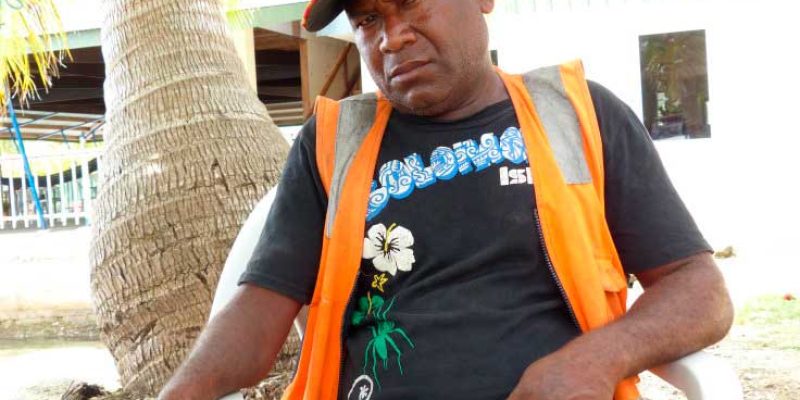
My own experience of a UXO explosion changed my life and the lives of my family. I understand personally that the consequences do not end when a person leaves hospital or when an explosive item is cleared. Recovery can be a long and difficult journey, requiring continuing support, understanding and opportunities to rebuild one’s life.
This is why I believe the Pacific’s engagement with the CCM should also encourage broader conversations about the humanitarian impact of all explosive ordnance, while respecting the different legal frameworks that apply to different types of weapons.
Victim assistance must go beyond clearance
One of the most important contributions of the CCM is its recognition of victim assistance as an essential part of the humanitarian response.
Article 5 of the Convention addresses assistance to cluster munition victims, including medical care, rehabilitation, psychological support and social and economic inclusion. It also emphasises the importance of assessing victims’ needs, developing national plans, mobilising resources and closely consulting and actively involving victims and their representative organisations.
These principles are particularly meaningful to me as a survivor. They remind us that people affected by explosive weapons should not be treated only as statistics or recipients of emergency assistance.
Survivors need access to:
- Appropriate medical care, rehabilitation and assistive support.
- Psychological and psychosocial services.
- Education, training and livelihood opportunities.
- Disability-inclusive services and accessible community environments.
- Social and economic inclusion and protection from discrimination.
- Meaningful participation in policies, programmes and decisions that affect their lives.
Although Article 5’s legal obligations concern victims of cluster munitions, the principles it promotes offer valuable lessons for wider survivor assistance and UXO responses in countries such as Solomon Islands.
Survivors must be part of the decisions
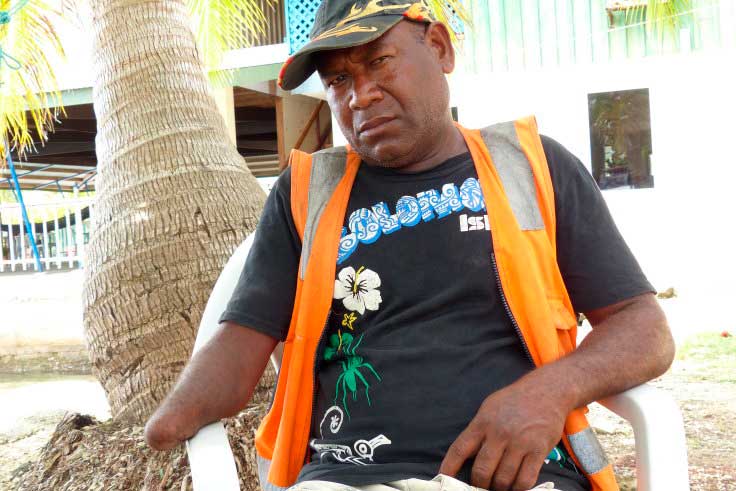
My advocacy is grounded in a simple but important principle: Nothing About Us Without Us.
Survivors have lived experiences and knowledge that cannot be replaced by reports, statistics or discussions held without them. We understand the challenges of living with injuries, disabilities, trauma, loss of income and the difficulties of accessing support.
Through Bomb Free Solomon Islands, I want to help create opportunities for survivors and affected families to share their experiences, identify their needs and participate in advocacy and decision-making.
This includes listening to survivors, documenting their needs, strengthening peer support, raising awareness and advocating for more inclusive programmes. It also means recognising that survivors are not only people who need assistance. We are individuals with skills, knowledge, leadership and the ability to contribute to solutions.
Survivor participation should not be limited to inviting someone to attend a meeting or share a personal story. It should involve survivors in planning, implementation, monitoring and evaluation of the programmes intended to support them.
The importance of Pacific cooperation
No Pacific country should have to address the humanitarian consequences of explosive ordnance alone. Regional cooperation provides opportunities to share experiences, exchange good practices, strengthen technical capacity, support risk education and improve survivor assistance.
Countries that have joined the CCM can share their experiences with countries that have not yet joined. Governments, regional organisations, civil society groups, international partners and survivor networks can work together to promote treaty awareness, encourage universalisation and strengthen humanitarian responses.
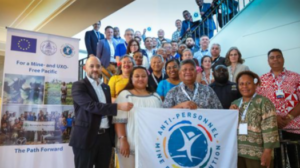
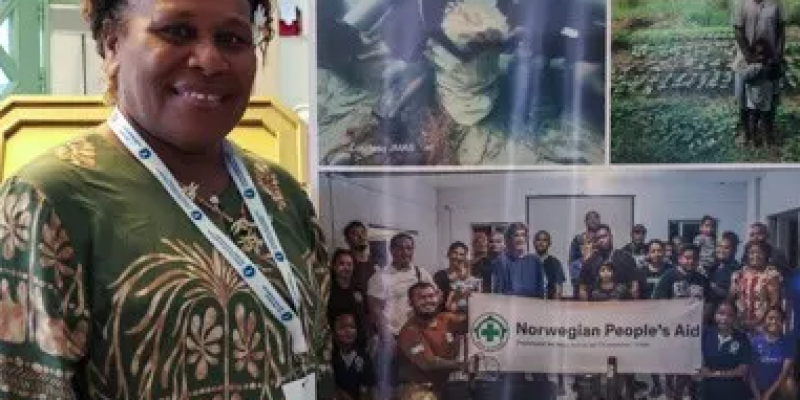
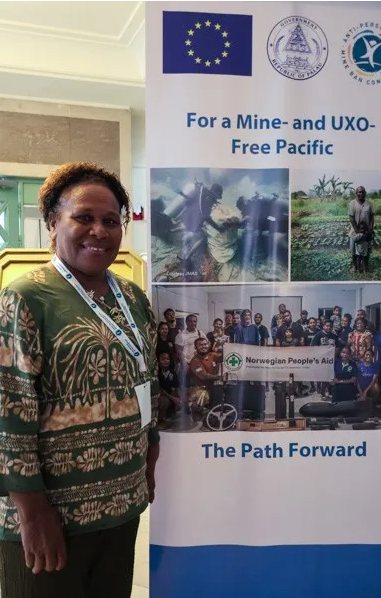
My participation in regional UXO and Mine Ban Treaty discussions, including the regional dialogue in Palau in September 2026, reinforced for me the importance of bringing regional conversations back to survivors and affected families at home. Regional advocacy has greater meaning when the knowledge and commitments discussed internationally are translated into practical action in our communities.
I encourage Pacific countries to strengthen cooperation, support survivor-led initiatives and ensure that the experiences of affected communities inform regional policies and programmes.
My call to Pacific leaders and partners
As a UXO survivor and advocate from Solomon Islands, I call on Pacific governments and regional partners to:
- Strengthen engagement with the CCM: Encourage countries that have not yet joined to learn about the Convention, consider its humanitarian objectives and explore pathways towards accession.
- Promote survivor-centred assistance: Recognise that victim assistance must include long-term medical, psychological, rehabilitation, social and economic support.
- Include survivors in decision-making: Ensure that survivors and their representative organisations are meaningfully involved in the development, implementation and monitoring of policies and programmes.
- Strengthen regional cooperation: Encourage Pacific governments, civil society organisations and international partners to share experiences, knowledge, resources and good practices.
- Recognise the wider humanitarian impact of UXO: Ensure that communities affected by different forms of explosive ordnance are not overlooked in national development, disability inclusion and humanitarian support programmes.
- Invest in awareness and prevention: Strengthen explosive ordnance risk education and community awareness so that people, especially children and young people, understand the dangers and know how to respond safely.
Conclusion: A Pacific where survivors are not forgotten
For me, the CCM is an important reminder that humanitarian disarmament must be about people, their safety, their dignity and their future.
Although Solomon Islands’ UXO legacy is different from cluster munition contamination, our experience should contribute to the wider Pacific conversation about the long-term humanitarian consequences of explosive weapons.
I want to see a Pacific where no survivor is forgotten after clearance operations are completed; where affected families can access the support they need; where persons with disabilities are included; and where survivors have a genuine voice in shaping decisions that affect their lives.
Our regional commitment should not end with signing or joining international conventions. It must be reflected in practical action, meaningful partnerships, adequate resources and lasting support for affected people.